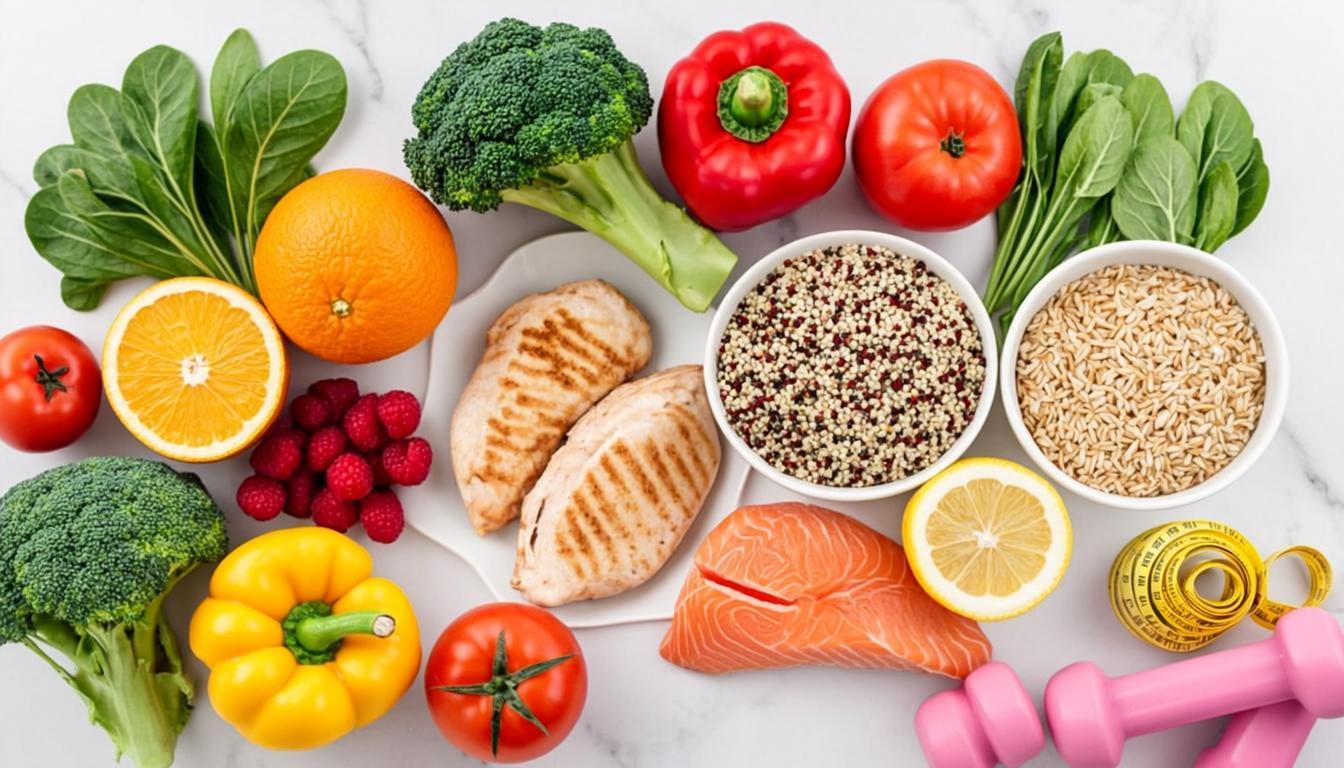
Losing weight is one of the most common health goals people set each year, yet it is also one of the most misunderstood. The internet is full of extreme diets, miracle supplements, and misleading promises. This guide cuts through the noise and explains how to lose weight safely and effectively using approaches backed by scientific evidence. Whether you are just starting your journey or looking for sustainable weight loss strategies, this article covers everything you need to know — from understanding calorie balance to building habits that last.
What Is Healthy Weight Loss?
Healthy weight loss means reducing your body weight gradually through a combination of balanced nutrition, regular physical activity, and positive lifestyle habits. The widely accepted guideline is losing 0.5 to 1 kg (1 to 2 pounds) per week. This pace helps preserve lean muscle mass, supports metabolic health, and makes it easier to maintain your progress over time. Rapid weight loss from crash diets or extreme calorie restriction often leads to muscle loss, nutritional deficiencies, and a higher likelihood of regaining the weight.
Understanding Calorie Balance
At its core, body weight is governed by a simple principle: calorie balance. Your body uses energy (calories) from food for basic functions like breathing, circulation, and cell repair — this is your basal metabolic rate (BMR). Physical activity adds to the total calories you burn each day.
- Calorie maintenance: You eat the same number of calories you burn — your weight stays the same.
- Calorie surplus: You eat more than you burn — your body stores the excess as fat and you gain weight.
- Calorie deficit: You eat fewer calories than you burn — your body uses stored fat for energy and you lose weight.
Understanding this balance is the foundation of any effective weight loss approach. You do not need to obsessively count every calorie, but having a general awareness of your intake helps you make informed choices.
Creating a Sustainable Calorie Deficit
A calorie deficit is the single most important factor for weight loss. The key word is "sustainable" — a deficit that is too large will leave you hungry, fatigued, and more likely to give up. For most adults, a moderate deficit of 300 to 500 calories per day is a practical starting point.
How to Create a Moderate Deficit
- Replace sugary drinks with water or unsweetened tea — this alone can save 200 to 400 calories daily.
- Reduce portion sizes slightly, especially for calorie-dense foods like oils, nuts, and cheese.
- Add more vegetables to your plate — they are low in calories and high in fiber, which keeps you full.
- Choose lean protein sources (chicken breast, fish, tofu, legumes) to support satiety and muscle retention.
- Incorporate 30 minutes of walking or light activity into your daily routine.
Avoid cutting calories below 1,200 per day for women or 1,500 per day for men without medical supervision, as very low-calorie diets can be harmful to your health.
Best Foods for Healthy Weight Loss
No single food causes weight loss on its own, but certain foods make it much easier to stay within your calorie target while feeling satisfied. Here are some of the best foods for weight loss:
High-Protein Foods
Protein is the most satiating macronutrient. It reduces hunger hormones, boosts metabolism slightly through the thermic effect of food, and helps preserve muscle during weight loss.
- Chicken breast and turkey — lean, versatile, and easy to prepare.
- Fish and seafood — salmon, tuna, and shrimp provide protein and heart-healthy omega-3 fats.
- Eggs — affordable, nutrient-dense, and highly satiating.
- Greek yogurt — high in protein and probiotics for gut health.
- Legumes — lentils, chickpeas, and black beans combine protein with fiber.
- Tofu and tempeh — excellent plant-based protein options.
Healthy Carbohydrates
Carbohydrates are not the enemy. Choosing the right types supports steady energy levels and long-lasting fullness.
- Whole grains: oats, brown rice, quinoa, whole-wheat bread.
- Vegetables: broccoli, spinach, sweet potatoes, bell peppers, zucchini.
- Fruits: apples, berries, oranges, bananas — whole fruits with fiber, not juices.
Healthy Fats
Fats are calorie-dense but essential for hormone production, nutrient absorption, and satiety. The key is moderation.
- Avocados — rich in monounsaturated fats and fiber.
- Olive oil — a staple of the Mediterranean diet, associated with numerous health benefits.
- Nuts and seeds — almonds, walnuts, chia seeds, and flaxseeds provide healthy fats and micronutrients.
- Fatty fish — salmon, mackerel, and sardines are excellent sources of omega-3 fatty acids.
Best Weight-Loss Foods — Quick Comparison
| Food Category | Examples | Key Benefit | Calories (approx.) |
|---|---|---|---|
| Lean protein | Chicken breast, fish, eggs | High satiety, muscle retention | 120–180 kcal / 100 g |
| Legumes | Lentils, chickpeas, black beans | Protein + fiber combo | 130–160 kcal / 100 g cooked |
| Leafy greens | Spinach, kale, lettuce | Very low calorie, high volume | 15–40 kcal / 100 g |
| Whole grains | Oats, brown rice, quinoa | Sustained energy, fiber | 110–150 kcal / 100 g cooked |
| Healthy fats | Avocado, olive oil, nuts | Hormone health, nutrient absorption | 80–900 kcal / 100 g (varies widely) |
| Low-fat dairy | Greek yogurt, cottage cheese | Protein, calcium, probiotics | 60–100 kcal / 100 g |
Foods and Habits to Limit
Healthy weight loss is not only about what you eat but also about what you reduce. Some foods and habits can significantly slow your progress:
- Sugary beverages: soda, energy drinks, sweetened coffee, and fruit juices are among the largest sources of added sugar and empty calories.
- Processed and fast food: often high in calories, unhealthy fats, sodium, and added sugars while being low in nutrients and fiber.
- Refined carbohydrates: white bread, pastries, white rice, and most snack foods spike blood sugar and provide little satiety.
- Alcohol: provides 7 calories per gram with almost no nutritional value and can lower inhibitions, leading to overeating.
- Late-night snacking: eating out of habit rather than hunger, especially on high-calorie foods, can add hundreds of extra calories per week.
- Emotional eating: using food to cope with stress, boredom, or sadness often leads to choosing comfort foods that are high in sugar and fat.
Meal Planning and Portion Control
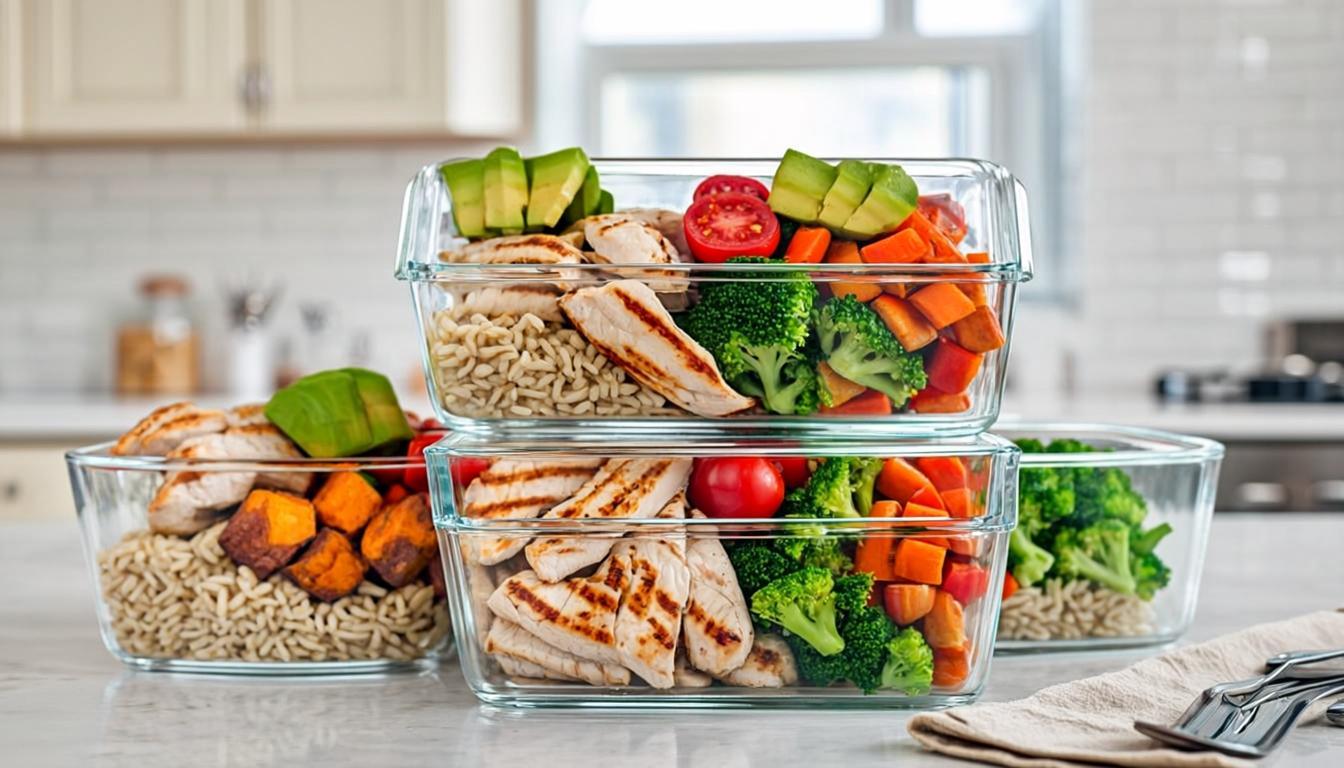
Meal planning is one of the most practical tools for sustainable weight loss. When you plan your meals in advance, you are less likely to make impulsive food choices or rely on takeout.
Tips for Effective Meal Planning
- Set aside 20 to 30 minutes each week to plan your meals and write a grocery list.
- Include a balance of protein, complex carbohydrates, vegetables, and healthy fats in each meal.
- Prepare ingredients or full meals in bulk (batch cooking) to save time on busy days.
- Keep healthy snacks accessible — fruit, nuts, yogurt, or vegetable sticks with hummus.
- Use smaller plates and bowls — research shows this can naturally reduce portion sizes without feeling deprived.
Simple Portion Guide
A practical approach to portion control is the plate method:
- ½ of your plate: non-starchy vegetables (salads, steamed greens, roasted vegetables).
- ¼ of your plate: lean protein (chicken, fish, tofu, legumes).
- ¼ of your plate: complex carbohydrates (brown rice, sweet potato, whole-wheat pasta).
- 1 thumb-sized serving: healthy fats (olive oil, avocado, nuts).
How Much Water Should You Drink?
Staying well-hydrated supports overall health and can aid weight management. Water has zero calories, helps you feel full, and may slightly boost metabolism. A general guideline is 2 to 3 liters (8 to 12 cups) per day, adjusted for your body size, activity level, and climate.
- Drink a glass of water before each meal to help control appetite.
- Carry a reusable water bottle to sip throughout the day.
- Replace sugary drinks and fruit juices with plain or infused water.
- Pay attention to thirst signals — if you feel thirsty, you are already mildly dehydrated.
Exercise and Physical Activity
While diet drives most weight loss, exercise for weight loss plays a critical role in preserving muscle, improving metabolic health, and maintaining your results long term.
Walking and Daily Movement
Walking is one of the most underrated forms of exercise. It is low-impact, free, and accessible to almost everyone. Aiming for 7,000 to 10,000 steps per day is a realistic target that supports calorie burning and cardiovascular health without requiring a gym membership.
Strength Training
Strength training (also called resistance training) helps you build and maintain lean muscle mass. Muscle tissue burns more calories at rest than fat tissue, which means a higher resting metabolic rate. Aim for 2 to 3 strength training sessions per week, targeting major muscle groups with exercises like squats, push-ups, lunges, dumbbell rows, and planks.
Cardiovascular Exercise
Cardio (aerobic exercise) is effective for burning calories and improving heart health. Activities like jogging, cycling, swimming, or dancing for 150 to 300 minutes per week at moderate intensity support weight loss and overall fitness.

Sleep and Stress Management
How Sleep Affects Weight
Sleep is a frequently overlooked factor in weight management. Research consistently shows that insufficient sleep (less than 7 hours per night) disrupts hormones that regulate hunger — increasing ghrelin (the hunger hormone) and decreasing leptin (the fullness hormone). Poor sleep also raises cortisol levels, which can promote fat storage, particularly around the abdomen.
- Aim for 7 to 9 hours of quality sleep per night.
- Keep a consistent sleep schedule, even on weekends.
- Avoid screens, caffeine, and heavy meals close to bedtime.
- Create a cool, dark, and quiet sleep environment.
Managing Stress for Weight Loss
Chronic stress triggers the release of cortisol, which can increase appetite and promote cravings for high-calorie comfort foods. Stress management is not a luxury — it is a practical component of a healthy weight-loss plan.
- Practice deep breathing, meditation, or yoga for 10 to 15 minutes daily.
- Engage in hobbies and activities you enjoy to reduce mental tension.
- Maintain social connections — talking to friends or family can relieve stress.
- Consider journaling to identify stress triggers and emotional eating patterns.
Common Weight-Loss Mistakes
Avoiding these common pitfalls can save you time, frustration, and potential harm:
- Skipping meals: skipping breakfast or other meals often leads to overeating later in the day and does not reliably reduce total calorie intake.
- Relying on crash diets: extremely low-calorie diets (under 800 calories per day) without medical supervision can cause nutrient deficiencies, muscle loss, gallstones, and a slower metabolism.
- Eliminating entire food groups: unless you have a diagnosed allergy or intolerance, cutting out whole macronutrient groups (like all carbs or all fats) is unnecessary and often unsustainable.
- Comparing yourself to others: weight loss is highly individual. Genetics, starting weight, age, and lifestyle all influence your pace. Focus on your own progress.
- Expecting linear progress: weight fluctuates daily due to water retention, hormonal changes, and digestion. Look at trends over weeks, not single weigh-ins.
- Neglecting strength training: focusing only on cardio can lead to muscle loss, which reduces your metabolic rate and makes long-term maintenance harder.
How to Avoid Extreme Diets
Extreme diets promise rapid results but rarely deliver lasting change. Here is how to recognize and avoid them:
- Red flag: any diet that promises losing more than 1 to 2 pounds per week consistently.
- Red flag: plans that eliminate entire food groups or require expensive supplements and products.
- Red flag: diets that do not allow flexibility or social eating — if you cannot eat a meal with friends, the plan is not sustainable.
- Red flag: any approach that claims to work "without any effort" or "while you sleep."
Instead, choose an approach centered on whole foods, balanced meals, regular physical activity, and habits you can maintain for life. The best weight loss diet is the one you can stick with.
Sustainable Long-Term Strategies
The real challenge is not losing weight — it is keeping it off. Research on people who successfully maintain weight loss reveals several common strategies:
- Consistent eating patterns: eating regular meals at consistent times helps prevent impulsive overeating.
- Regular physical activity: most successful maintainers exercise for about 60 minutes per day, often through walking, cycling, or a mix of activities.
- Self-monitoring: regularly checking your weight (once a week is sufficient), keeping a food journal, or using an app helps you stay aware.
- Problem-solving skills: when you slip — and everyone does — having a plan to get back on track quickly prevents minor setbacks from becoming major relapses.
- Social support: sharing your goals with supportive friends, family, or an online community increases accountability and motivation.
- Patience and realistic expectations: sustainable weight loss is a marathon, not a sprint. Progress may slow, and plateaus are normal.
Frequently Asked Questions
How much weight can I safely lose per week?
Most health professionals recommend losing 0.5 to 1 kg (1 to 2 pounds) per week. This rate is considered safe and sustainable for most people and helps preserve muscle mass while reducing body fat.
Do I need to count calories to lose weight?
Counting calories is one effective method, but it is not the only approach. Many people succeed by focusing on whole foods, practicing portion control, and increasing physical activity. The key is creating a consistent calorie deficit, whether or not you track every calorie.
Is it possible to target belly fat specifically?
Spot reduction — losing fat from one specific area — is not supported by scientific evidence. Belly fat generally responds to overall weight loss through a combination of a healthy diet, regular exercise, adequate sleep, and stress management.
How much water should I drink for weight loss?
A common guideline is about 2 to 3 liters (8 to 12 cups) per day, depending on your body size, activity level, and climate. Drinking water before meals may help reduce calorie intake by promoting a feeling of fullness.
Can I lose weight without exercise?
Yes, weight loss is primarily driven by a calorie deficit, which can be achieved through diet alone. However, exercise offers important benefits including muscle preservation, improved metabolic health, better mood, and enhanced long-term weight maintenance.
What is the best exercise for weight loss?
There is no single "best" exercise. A combination of regular walking, strength training (2 to 3 sessions per week), and moderate cardio (150 to 300 minutes per week) provides the most balanced and sustainable results.
Why do I keep regaining weight after dieting?
Weight regain is common when people return to their previous eating habits after a restrictive diet. Sustainable weight loss requires permanent lifestyle changes — not temporary restrictions. Building lasting habits around food choices, physical activity, sleep, and stress management is the most effective way to maintain your results.
Are weight-loss supplements effective?
Most over-the-counter weight-loss supplements have limited evidence of effectiveness and can have side effects. No supplement can replace the fundamentals of a healthy diet and regular exercise. Always consult a healthcare professional before taking any supplements.
Conclusion
Healthy weight loss is not about following the latest trend or depriving yourself of food you enjoy. It is about making gradual, evidence-based changes to your nutrition, physical activity, sleep, and stress management that you can sustain over the long term. Focus on a moderate calorie deficit, choose nutrient-dense whole foods, stay active, prioritize sleep, and be patient with yourself. There are no shortcuts, but the approach outlined in this guide — grounded in science and designed for real life — gives you a realistic and effective path forward. For more health and wellness articles, visit our articles page.